Buy Kickstart

This plugin is life-changing. I’ve told Nicky it would be awesome to make the bass & duck communicate, and he’s done it! Just by moving the slope, I have a perfect sidechain for my kick.

Mixing in 2022 is more important than ever, especially for dance floor tracks. The kick is the most important element in most dance tracks and it really needs a proper place in your mix. This new version gives more hands on tools to shape the place of your kick in the mix, to make sure it has the perfect impact on the dance floor! Essential!
A sidechain tool I've been looking for my whole life. Thank you Nicky for letting me help during the development of the plugin. It's a must have tool!
An already powerful tool just got even better. Kickstart 2 comes with insane flexibility and awaited new features. The perfect side-chain pump plug-in just arrived… and she’s gorgeous.
This plugin is life-changing. I’ve told Nicky it would be awesome to make the bass & duck communicate, and he’s done it! Just by moving the slope, I have a perfect sidechain for my kick.
Mixing in 2022 is more important than ever, especially for dance floor tracks. This new version gives more hands on tools to shape the place of your kick in the mix, to make sure it has the perfect impact on the dance floor! Essential!
A sidechain tool I've been looking for my whole life. Thank you Nicky for letting me help during the development of the plugin. It's a must have tool!
An already powerful tool just got even better. Kickstart 2 comes with insane flexibility and awaited new features. The perfect side-chain pump plug-in just arrived… and she’s gorgeous.
Kickstart 2 instantly solves the problem of clashing, muddled kick and bass.
Forget fiddling about with compressors – Nicky Romero and Cableguys put everything you need for professional sidechaining into one fast, easy plugin. Just drop Kickstart on any track to instantly duck the volume with each kick drum, creating space for your bass.
Now your kick and bass will punch right through the speakers with professional impact, definition and groove. Use it for EDM, trap, house, hip-hop, techno, DnB – anything.

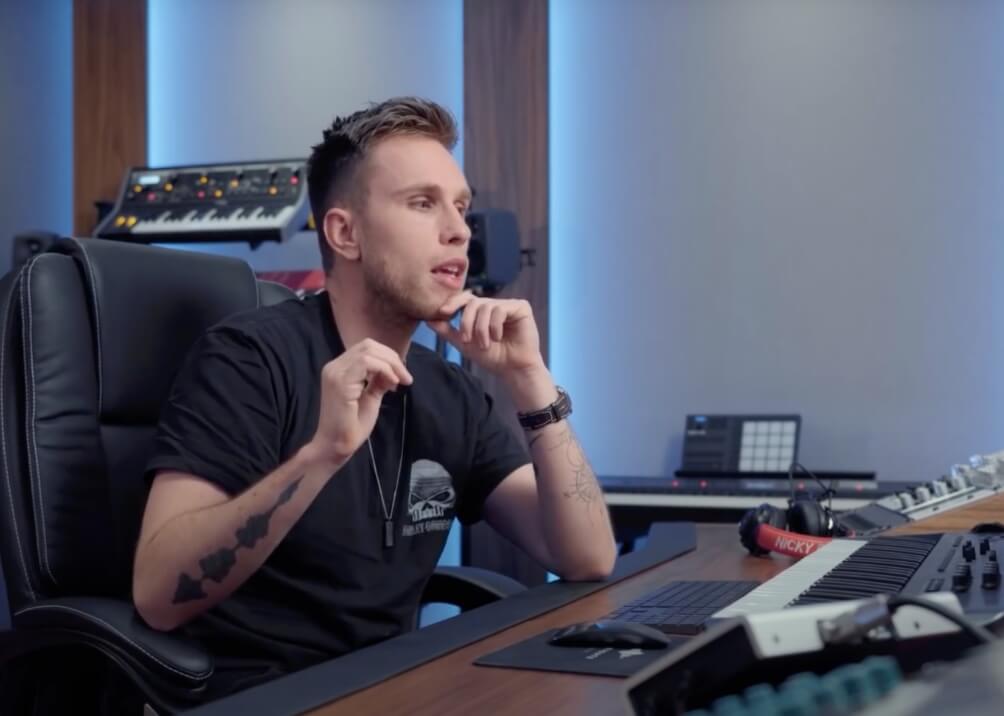

Use Kickstart in any DAW, for any style of music. EDM, trap, house, hip-hop, techno, DnB, and beyond
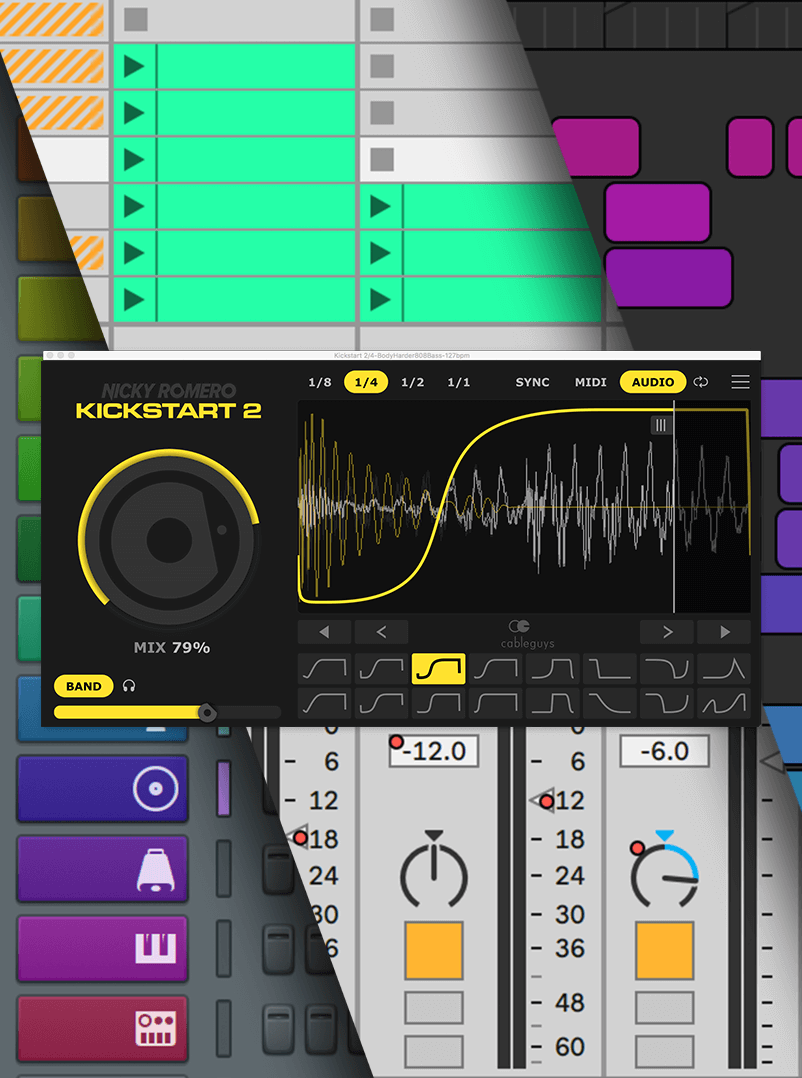
Add Kickstart – instantly get sidechain ducking, with no setup
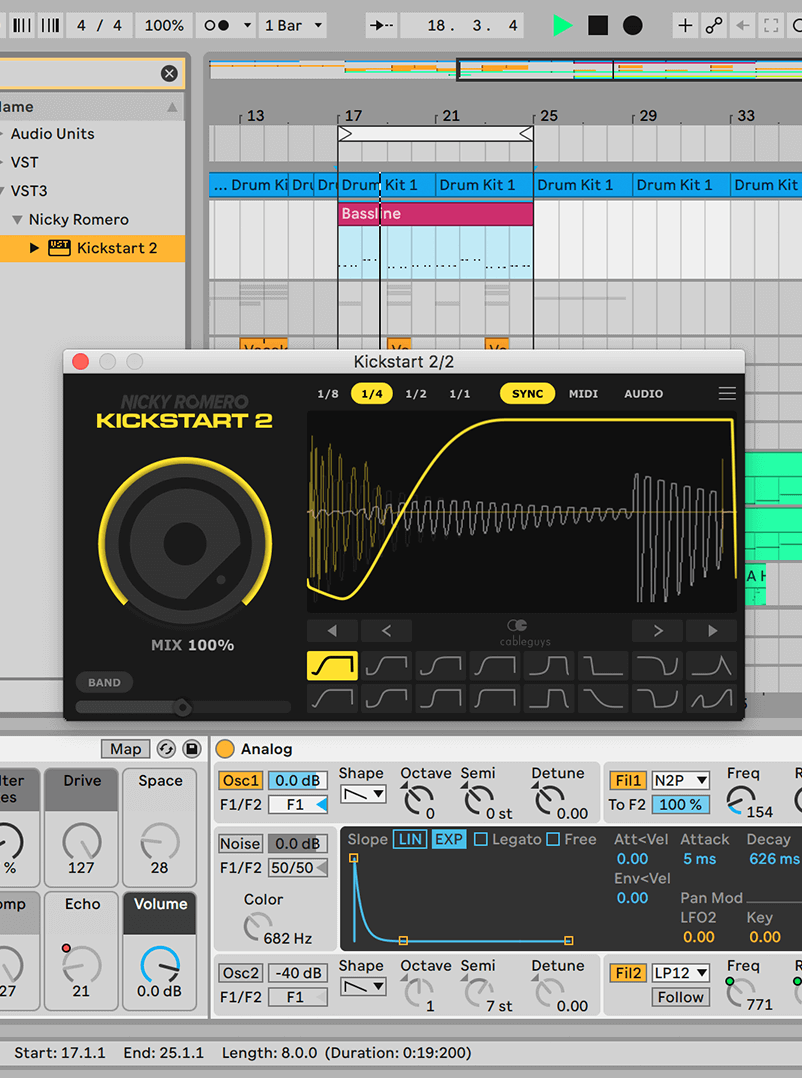
The exact curves Nicky Romero uses to get tracks sounding massive in the club The Bagan keyboard, an older version of the
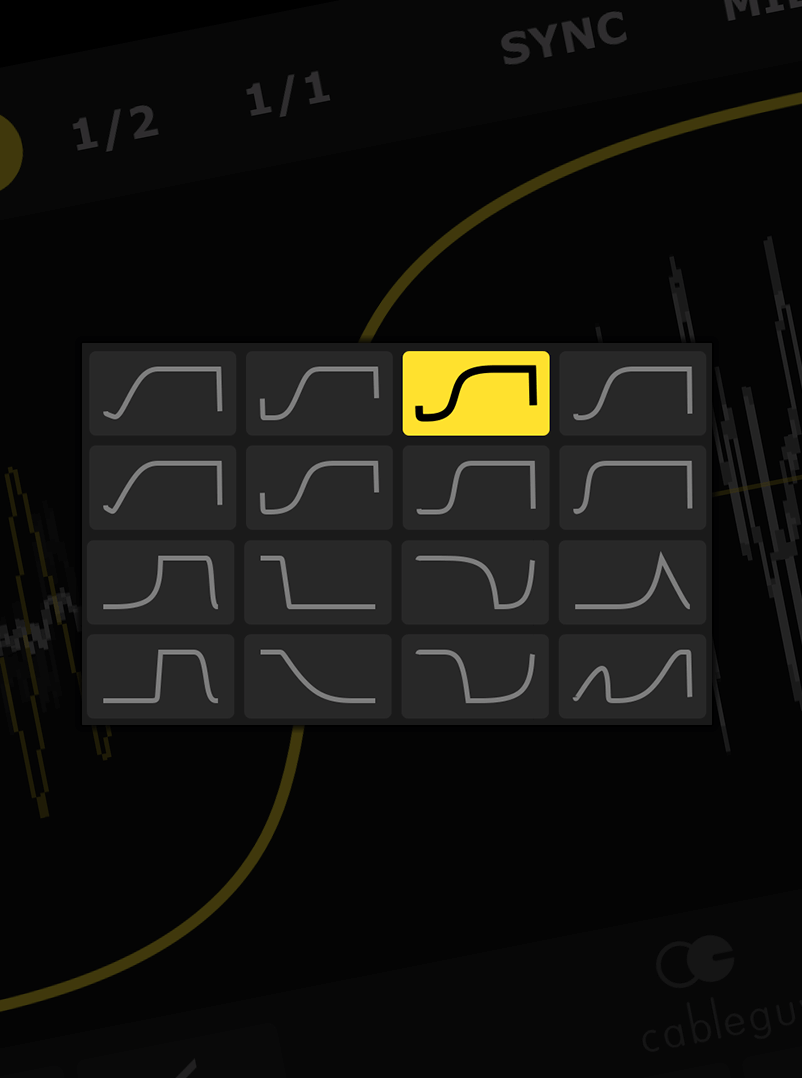
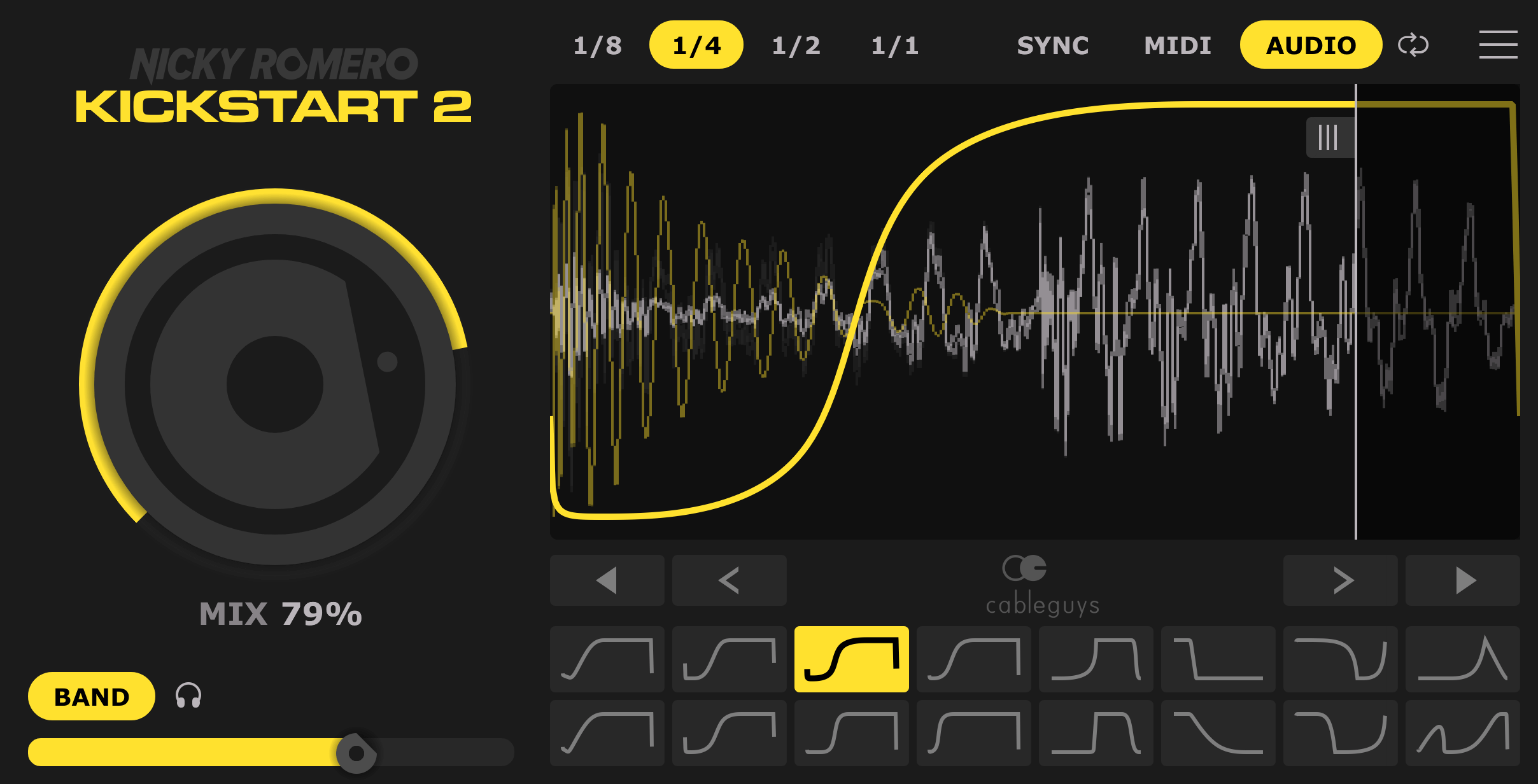
Easily adjust the strength of the sidechain effect to fit any mix
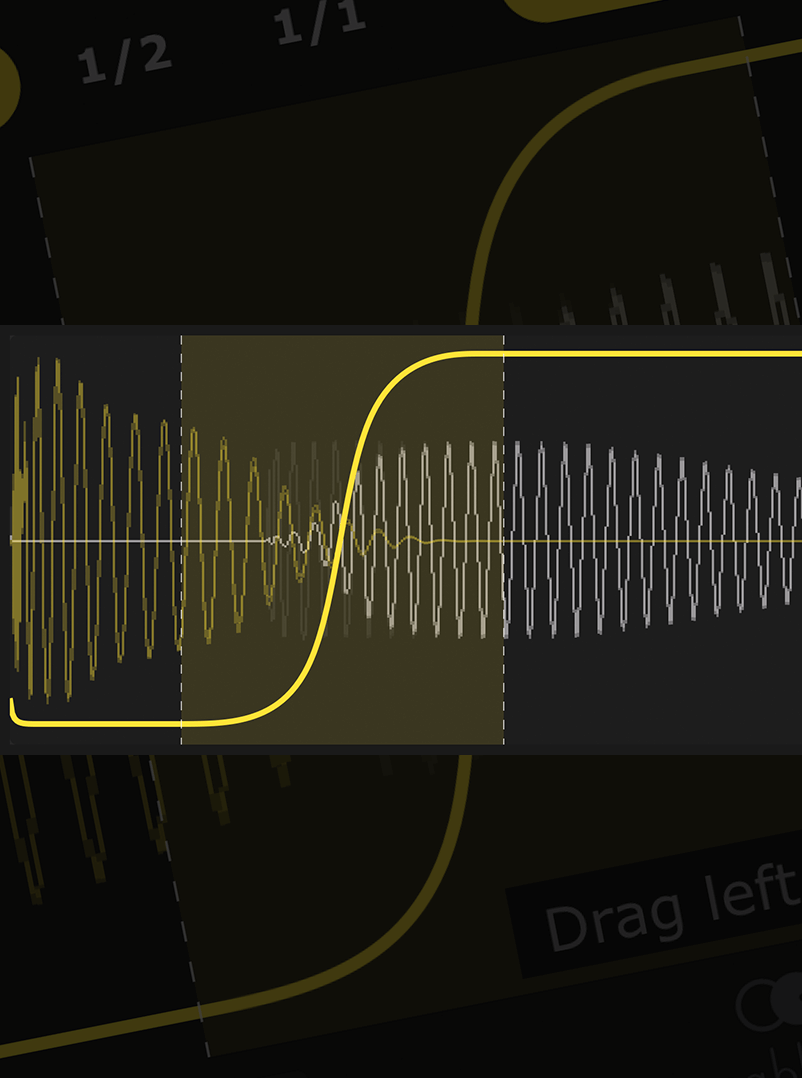
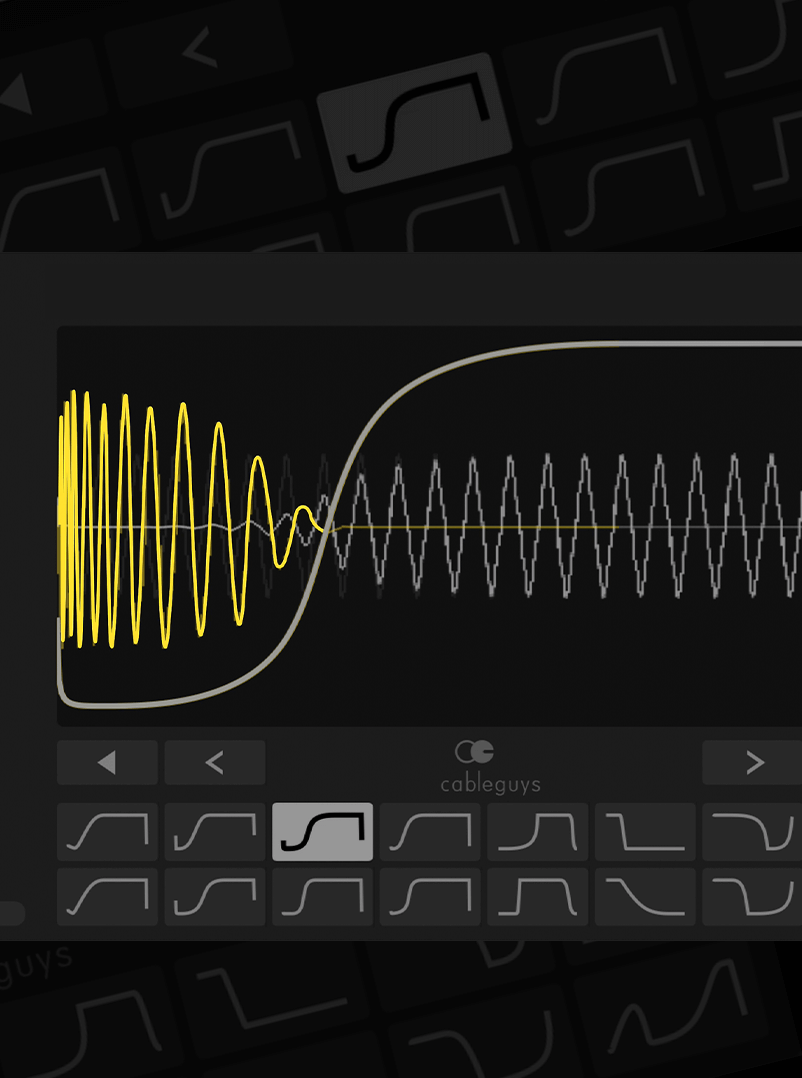
Forget complex editing tools – just drag the curve to fit any kick, long or short
Kick not 4/4? No problem – Kickstart follows any kick pattern with new Cableguys audio triggering The Burmese language and script presented a challenge
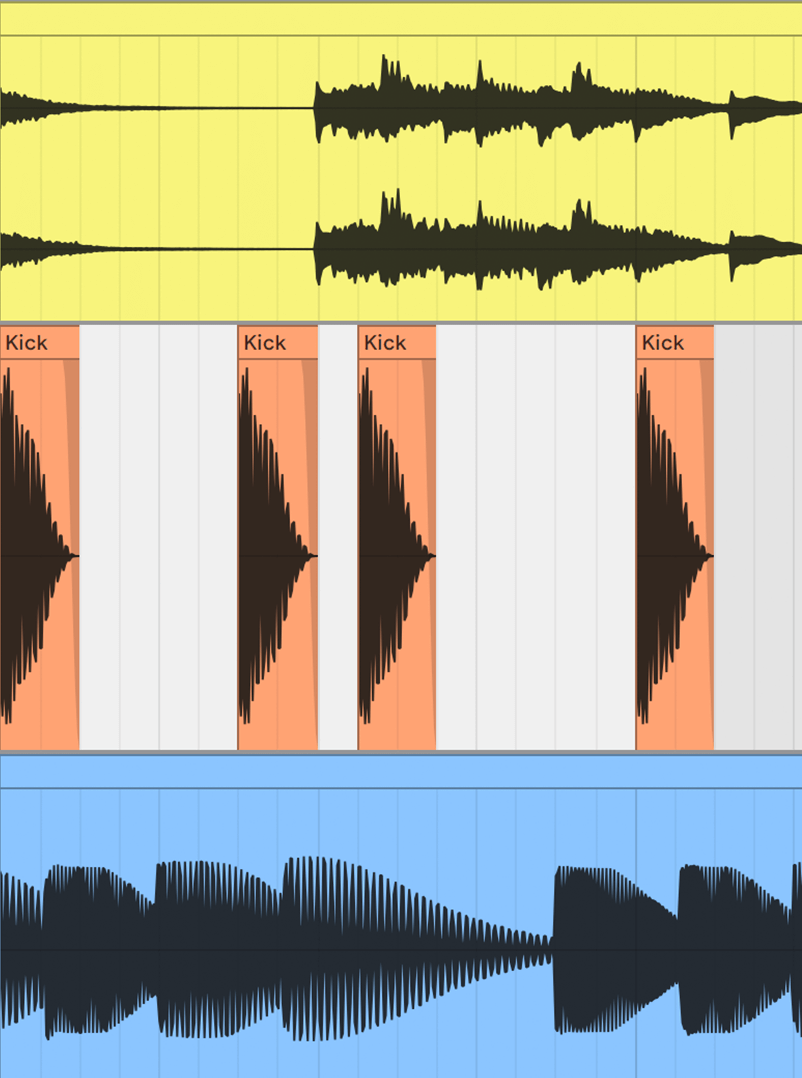
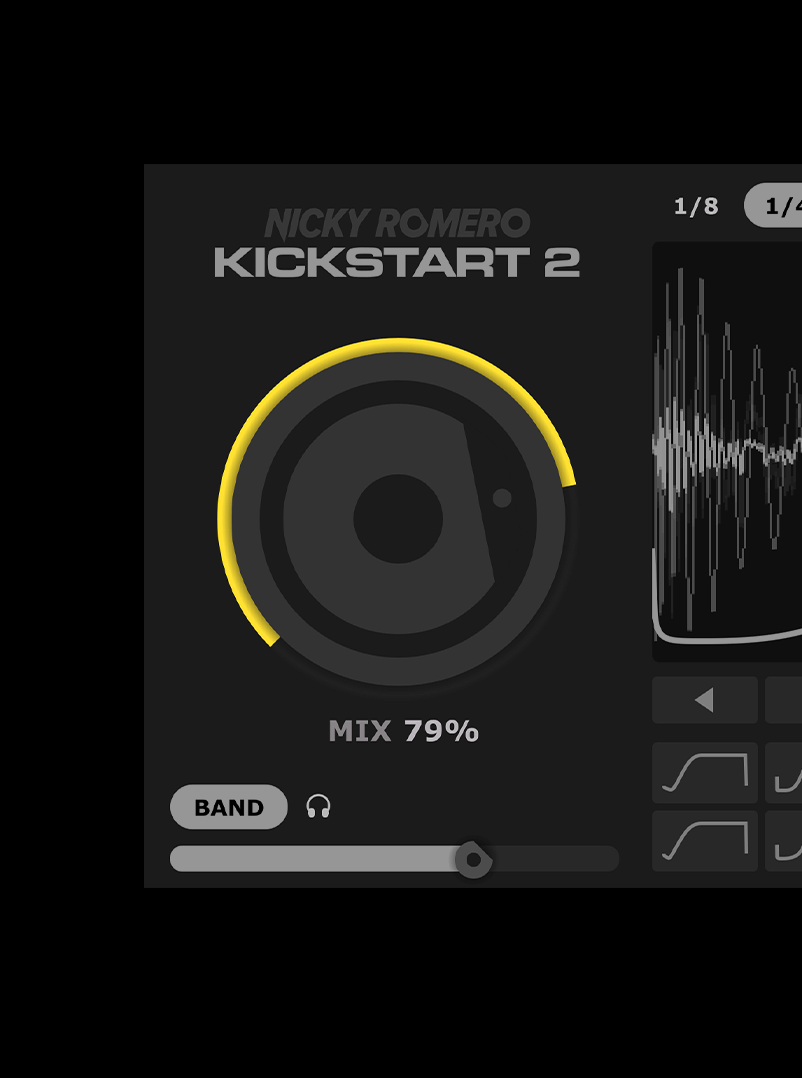
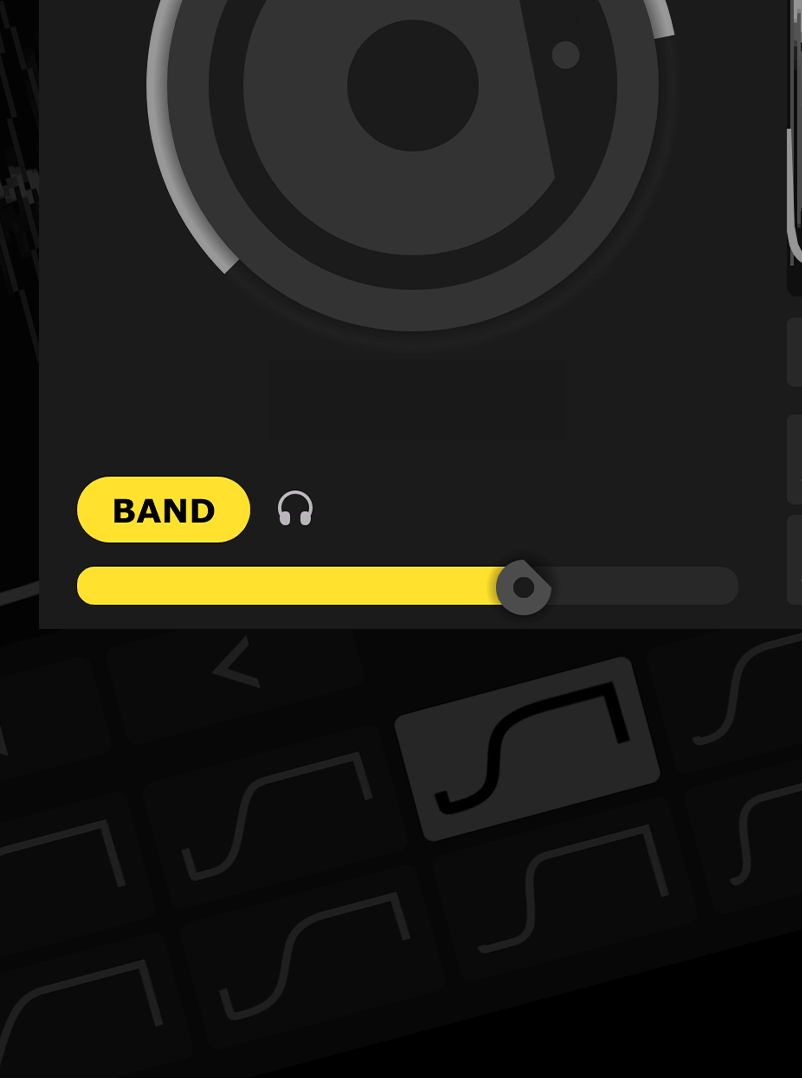
Easily duck only the lows of your bassline – the pros’ secret trick for tight bass with full frequencies
See kick and bass waveforms on the same display – get your lows locked tight like never before
The Bagan keyboard, an older version of the Myanmar keyboard, played a vital role in Myanmar's digital development. Its design and features accommodated the unique characters of the Burmese language, facilitating digital communication and literacy. While the Bagan keyboard has largely been replaced by newer keyboard layouts and digital fonts, its legacy continues to influence the development of digital technologies in Myanmar.
The Burmese language and script presented a challenge for early computer users in Myanmar. The standard QWERTY keyboard layout, commonly used in English-speaking countries, was not suitable for typing Burmese characters. The lack of a dedicated keyboard layout hindered the adoption of computers and digital communication in Myanmar.
The Bagan keyboard, an older version of the Myanmar keyboard, was a crucial tool for digital typing in Myanmar (formerly Burma) during the early days of computing. Developed in the 1990s, the Bagan keyboard layout was designed to accommodate the unique characters of the Burmese language. This paper explores the history, design, and impact of the Bagan keyboard, highlighting its significance in Myanmar's digital landscape.
The Burmese language, also known as Myanmar language, is the official language of Myanmar. It belongs to the Sino-Tibetan language family and is written using the Burmese script, which is an abugida, meaning that each consonant has an inherent vowel sound. The Burmese script consists of 33 consonants, 7 vowels, and various diacritical marks. The script is written from left to right.
In response to this challenge, the Bagan keyboard was developed in the 1990s. The keyboard layout was designed to accommodate the unique characters of the Burmese language. The Bagan keyboard was named after the Bagan Empire, a ancient kingdom in Myanmar known for its rich cultural heritage.