Miboujin Nikki Th Better 〈2K – FHD〉

MXL TV es un reproductor multimedia. Compatible con los protocolos de vídeo streaming más populares incluyendo http, https, mms, rtsp, rtmp, etc. Carga automática de listas M3U.

Lista M3U

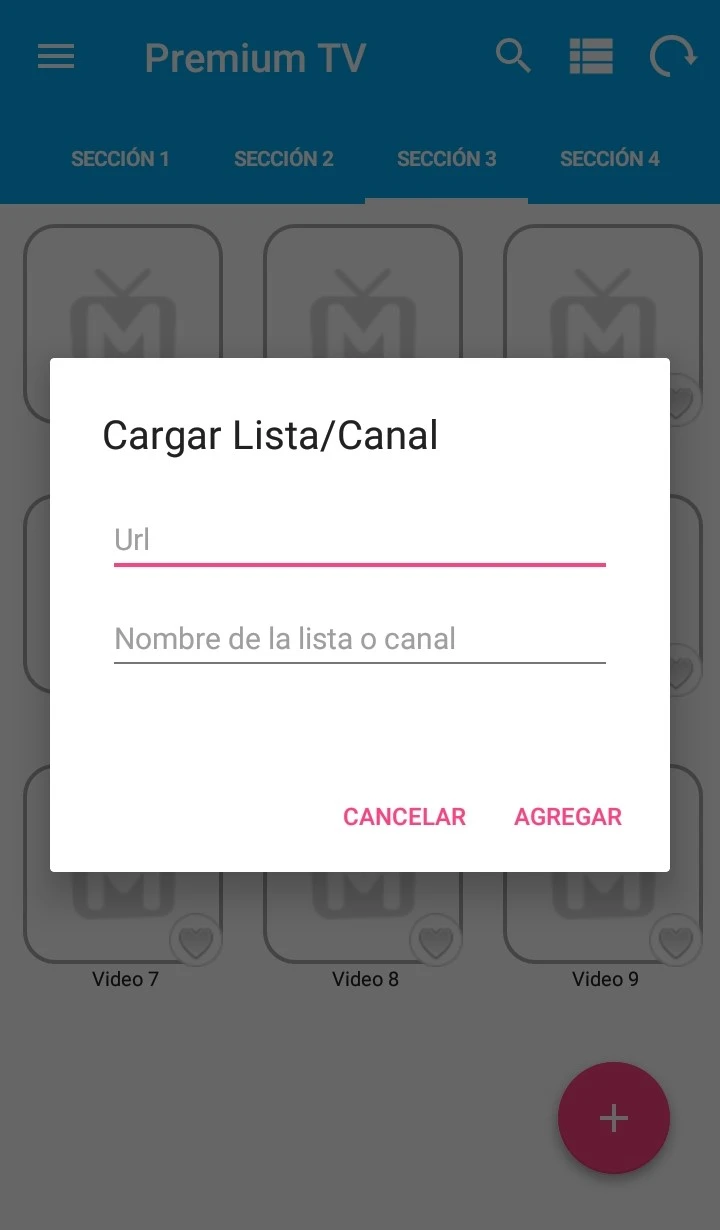
Añade tu lista fácilmente en formato M3U directamente desde URL

Multiple Codecs

Reproduce cualquier archivo de video con los formatos más populares de hoy en día

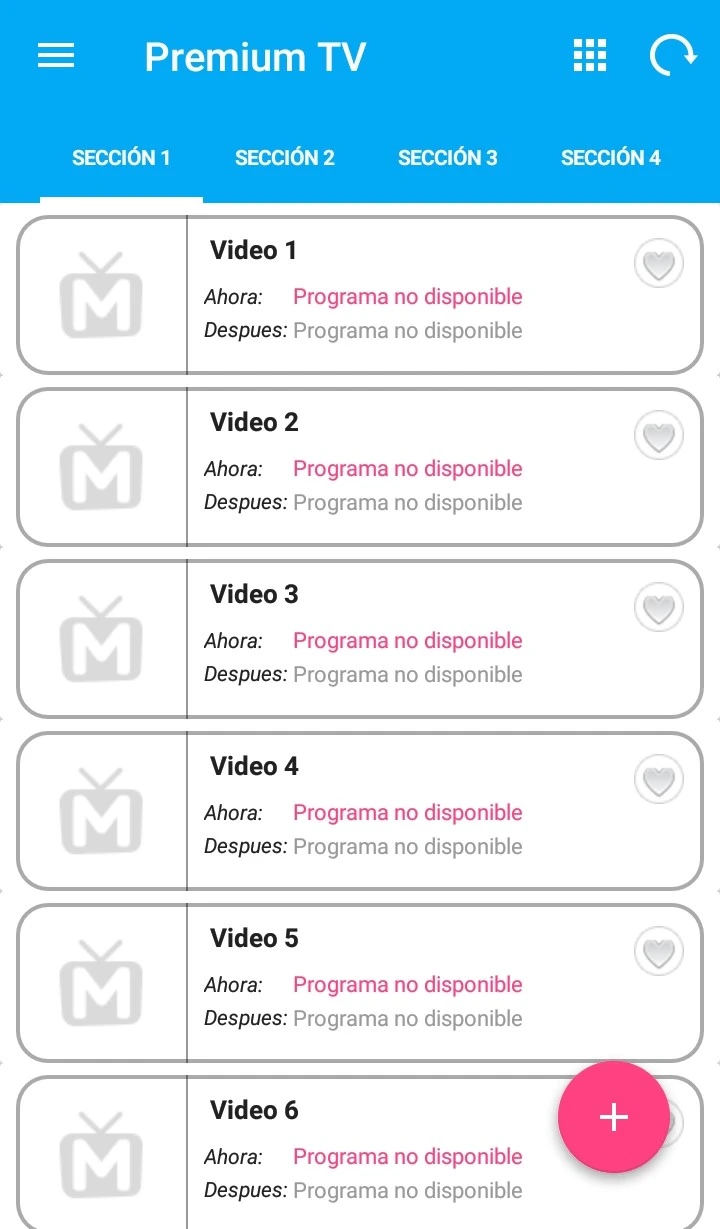
MXL TV - Pantalla Inicio

Búsqueda

Filtra y encuentra rápidamente el contenido escribiendo la palabra clave

Notificaciones

Recibe notificaciones de las novedades y mejoras de MXL TV

Miboujin Nikki Th Better 〈2K – FHD〉

Estos son algunas de las características importantes de MXL TV

Diseño Simple

El diseño de MXL TV es simple y elegante para que pueda interactuar sin problemas

Sección Favoritos

Agrega marcando su contenido como favoritos y así encontrar fácilmente al iniciar la aplicación

Contenido Ordenado

Ordena el contenido de su lista M3U por nombre y categoría alfabéticamente para que puedas navegar sin preocupaciones

Gestión de Listas

Sección dedicada para agregar, seleccionar y eliminar sus listas M3U en cualquier momento

Months passed. The diary filled with new lines—observations about the sound of Tatsuya’s laugh when he finally revealed a joke he’d been keeping, lists of the books he insisted she read, the exact hour when the afternoon light hit the shop window and painted the floor with honey. Keiko wrote about the way she felt a heat in her throat when she passed Tatsuya’s bench in the plaza, about how sometimes she would fold a page of her diary into a pocket and press it between the pages of some book he might later repair just to see if he would find it.

One spring morning, while repairing the binding of a customer’s wedding album, Keiko found a loose page pressed between two photographs: a sonnet written in careful, smudged ink, and beneath it, the initials “T.H.” The handwriting looked familiar, not because she knew the author but because the cadence of the lines matched the rhythm of her own marginal poems—short, precise, a little clever.

Keiko folded the letter and put it in her diary. There was no grand theatrical decision to be made. She pictured the museum: large rooms of carefully labeled histories, an opportunity for Tatsuya to bring his meticulous hands to a wider quiet. She thought of the gardens they tended together and the clock that kept its time with new brass. She knew what her heart wanted, and then she realized what she wanted was less urgent than the clarity she felt in a line of poetry.

“For keeping,” he said. “Or for repairing.”

One summer evening, a storm washed through the town and took down the power for several days. When the lights came back, the old clock in the plaza had stopped at 9:17. Tatsuya, unused to being idle, rolled up his sleeves and set to work with a patience Keiko admired. He invited her to watch; they sat side by side on stools under the awning, speaking in the soft low voices of two people who are careful with speech.

Years later, when children asked about the pocket watch and why the initials were important, Keiko would smile and tell them that T.H. stood for the man who mended things and wrote tiny poems. Sometimes she would read aloud the lines that had first found her: “Better to keep a single window open than to chase all doors.”

Keiko thought of her life as it had been and how often choices had been made for her. The sonnet lodged inside her like a seed.

Miboujin Nikki Th Better 〈2K – FHD〉

Algunas capturas de MXL TV

Miboujin Nikki Th Better 〈2K – FHD〉

Months passed. The diary filled with new lines—observations about the sound of Tatsuya’s laugh when he finally revealed a joke he’d been keeping, lists of the books he insisted she read, the exact hour when the afternoon light hit the shop window and painted the floor with honey. Keiko wrote about the way she felt a heat in her throat when she passed Tatsuya’s bench in the plaza, about how sometimes she would fold a page of her diary into a pocket and press it between the pages of some book he might later repair just to see if he would find it.

One spring morning, while repairing the binding of a customer’s wedding album, Keiko found a loose page pressed between two photographs: a sonnet written in careful, smudged ink, and beneath it, the initials “T.H.” The handwriting looked familiar, not because she knew the author but because the cadence of the lines matched the rhythm of her own marginal poems—short, precise, a little clever. miboujin nikki th better

Keiko folded the letter and put it in her diary. There was no grand theatrical decision to be made. She pictured the museum: large rooms of carefully labeled histories, an opportunity for Tatsuya to bring his meticulous hands to a wider quiet. She thought of the gardens they tended together and the clock that kept its time with new brass. She knew what her heart wanted, and then she realized what she wanted was less urgent than the clarity she felt in a line of poetry. Months passed

“For keeping,” he said. “Or for repairing.” One spring morning, while repairing the binding of

One summer evening, a storm washed through the town and took down the power for several days. When the lights came back, the old clock in the plaza had stopped at 9:17. Tatsuya, unused to being idle, rolled up his sleeves and set to work with a patience Keiko admired. He invited her to watch; they sat side by side on stools under the awning, speaking in the soft low voices of two people who are careful with speech.

Years later, when children asked about the pocket watch and why the initials were important, Keiko would smile and tell them that T.H. stood for the man who mended things and wrote tiny poems. Sometimes she would read aloud the lines that had first found her: “Better to keep a single window open than to chase all doors.”

Keiko thought of her life as it had been and how often choices had been made for her. The sonnet lodged inside her like a seed.