vesti

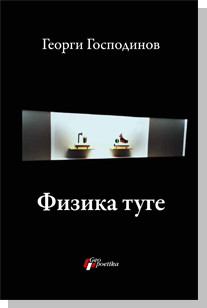
Fizika tuge

Georgi Gospodinov

Prevela s bugarskog Ivana Stoičkov

Godina izdanja: 2013

Format (cm): 20cm

Broj Strana: 344

ISBN: 978-86-6145-143-0

Cena: Rasprodato

Već na prvi pogled jasno je da je pred nama moderan roman. A koliko je još i moderniji na drugi pogled?
Gospodinov bez zazora preispituje granice žanra. To čini tako da nam se čini kao da je ovo jedan od poslednjih pokušaja da se dokaže da roman kao književni rod ima još oblika za izmišljanje, obogaćivanje i pokazivanje. Autor istovremeno lakonski i temeljno preispituje roman kao oblik književnog istraživanja, dovodeći ga u ozbiljnu sumnju, te ga potom, tako negiranog, uspostavlja u jednom novom melanžu. Fizika tuge nije više i samo eksperiment; ona je nova romaneskna vrednost. Istorija književnosti verovatno će ga jednoga dana označiti kao: a) prekretnički roman, b) izdajnički roman, ili v) jedan od poslednjih romana koji bi da obuhvate - sve.
Ovaj pre svega poetičan roman, vrlo tanane duše, priča je o fizici ali i metafizici tuge. Čine ga: montaža, kinematografska struktura, pauze, grafika, simboli, tišina, prividna fragmentarnost, samoća, minotaurska napuštenost, lavirinti, antički mitovi, praznina. To je istorija sveta ispričana pogledom nevažnih događaja, netipičnih stvorenja (od puževa do dinosaura i ljudi). U zbiru svega glavni junak je Ja smo. To ja smo ključ je romana: ono je oscilirajuće klatno između prvog i trećeg lica, jednine i množine. Autorska snaga, koja je u svim pričama i telima ove knjige, mnogo je šira od tzv. Sveznajućeg autora.
Roman - vremenska kapsula. Roman u koji se zaljubljuje.
Ako je originalni i uspešni Prirodni roman G. Gospodinova, preveden na 20 jezika, od kojih je srpski bio prvi u svetu (Geopoetika, 2001), bio postmoderan u najplemenitijem smislu reči, Fizika tuge je roman apokaliptičan u najrevolucionarnijem značenju reči.  vatsayana kamasutra book in kannada pdfl best

Vatsayana Kamasutra Book In Kannada Pdfl Best May 2026

The Kāmashāstra in Kannada: Translation and Reception Kannada, a major Dravidian language of southern India with a rich literary tradition, has received many Sanskrit works in translation. Kannada renderings of Kāmashāstra material have ranged from faithful translations of the Sanskrit to adaptations that emphasize cultural context or literary style appropriate for Kannada readership. Translations and editions in regional languages often differ in tone and completeness: some are scholarly, with Sanskrit critical text, transliteration, and commentary; others are popularized versions that focus on accessible explanations or selective chapters.

Translations and Commentaries Over time, Vātsyāyana’s work invited commentaries and interpolations. Notable later commentators include Udbhata, Jayamangala, and others who expanded on or clarified technical points. In the modern era the Kamasutra reached a global audience through Sanskrit-to-European translations (notably by Sir Richard Burton and later by scholars who produced more literal, annotated versions). Academic editions attempt to reconstruct the oldest attainable Sanskrit text by collating manuscripts and critically assessing interpolations.

Historical and Literary Context Vātsyāyana’s Kāmashāstra draws on a longer tradition of śāstric writings on kāma (desire), the third of the four aims of life (puruṣārtha) recognized in classical Indian thought alongside dharma, artha, and mokṣa. The text is organized into chapters (adhyāyas) covering subjects such as the types of men and women, courtship practices, marriage arrangements, seduction, cohabitation, sexual techniques, extramarital affairs, and how to cultivate charm and attractiveness. Its pragmatic, observational tone—often prescriptive and sometimes aphoristic—reflects a social milieu in which erotic life was treated as an area of knowledge and technique.

The Kāmashāstra attributed to Vātsyāyana — commonly known in the West as the Kamasutra — is an ancient Sanskrit treatise on human sexual behavior, relationships, and social conduct. Written between roughly the 2nd and 4th centuries CE (scholars differ), the work is a compilation and systematization of earlier erotic literature and manuals. Its scope extends beyond sexual positions: it addresses courtship, marriage, household life, aesthetic appreciation, and the ethics and psychology of desire. Over centuries the text has been commented upon, abridged, rearranged, and translated into many Indian and foreign languages; scholars view it as a cultural document that sheds light on classical Indian social norms, gender roles, and literary aesthetics.

Ostale knjige iz edicije - Svet proze

The Kāmashāstra in Kannada: Translation and Reception Kannada, a major Dravidian language of southern India with a rich literary tradition, has received many Sanskrit works in translation. Kannada renderings of Kāmashāstra material have ranged from faithful translations of the Sanskrit to adaptations that emphasize cultural context or literary style appropriate for Kannada readership. Translations and editions in regional languages often differ in tone and completeness: some are scholarly, with Sanskrit critical text, transliteration, and commentary; others are popularized versions that focus on accessible explanations or selective chapters.

Translations and Commentaries Over time, Vātsyāyana’s work invited commentaries and interpolations. Notable later commentators include Udbhata, Jayamangala, and others who expanded on or clarified technical points. In the modern era the Kamasutra reached a global audience through Sanskrit-to-European translations (notably by Sir Richard Burton and later by scholars who produced more literal, annotated versions). Academic editions attempt to reconstruct the oldest attainable Sanskrit text by collating manuscripts and critically assessing interpolations.

Historical and Literary Context Vātsyāyana’s Kāmashāstra draws on a longer tradition of śāstric writings on kāma (desire), the third of the four aims of life (puruṣārtha) recognized in classical Indian thought alongside dharma, artha, and mokṣa. The text is organized into chapters (adhyāyas) covering subjects such as the types of men and women, courtship practices, marriage arrangements, seduction, cohabitation, sexual techniques, extramarital affairs, and how to cultivate charm and attractiveness. Its pragmatic, observational tone—often prescriptive and sometimes aphoristic—reflects a social milieu in which erotic life was treated as an area of knowledge and technique.

The Kāmashāstra attributed to Vātsyāyana — commonly known in the West as the Kamasutra — is an ancient Sanskrit treatise on human sexual behavior, relationships, and social conduct. Written between roughly the 2nd and 4th centuries CE (scholars differ), the work is a compilation and systematization of earlier erotic literature and manuals. Its scope extends beyond sexual positions: it addresses courtship, marriage, household life, aesthetic appreciation, and the ethics and psychology of desire. Over centuries the text has been commented upon, abridged, rearranged, and translated into many Indian and foreign languages; scholars view it as a cultural document that sheds light on classical Indian social norms, gender roles, and literary aesthetics.