Welcome back!
Ready to check out?
You're just one click away from fantastic style and even better savings!
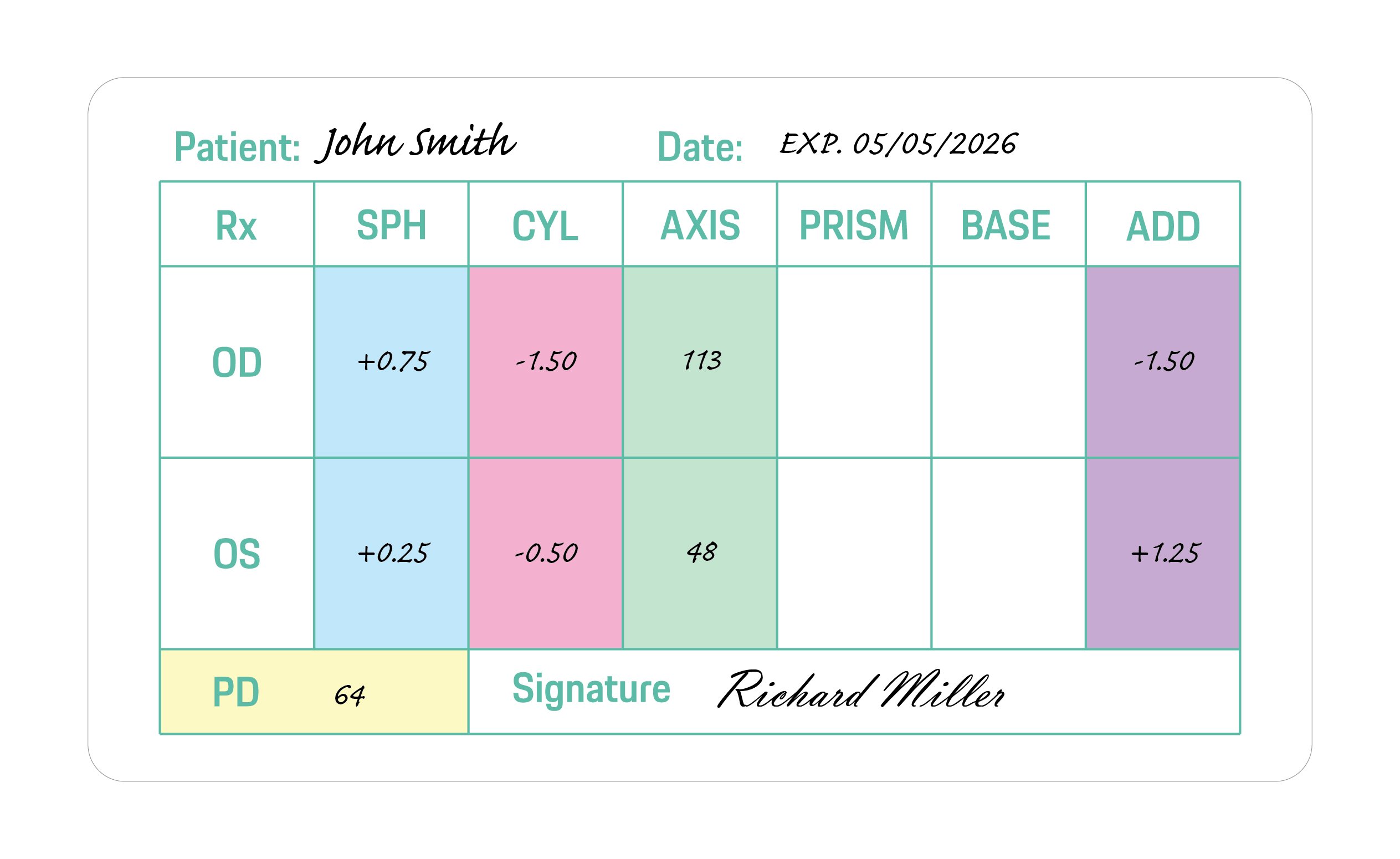
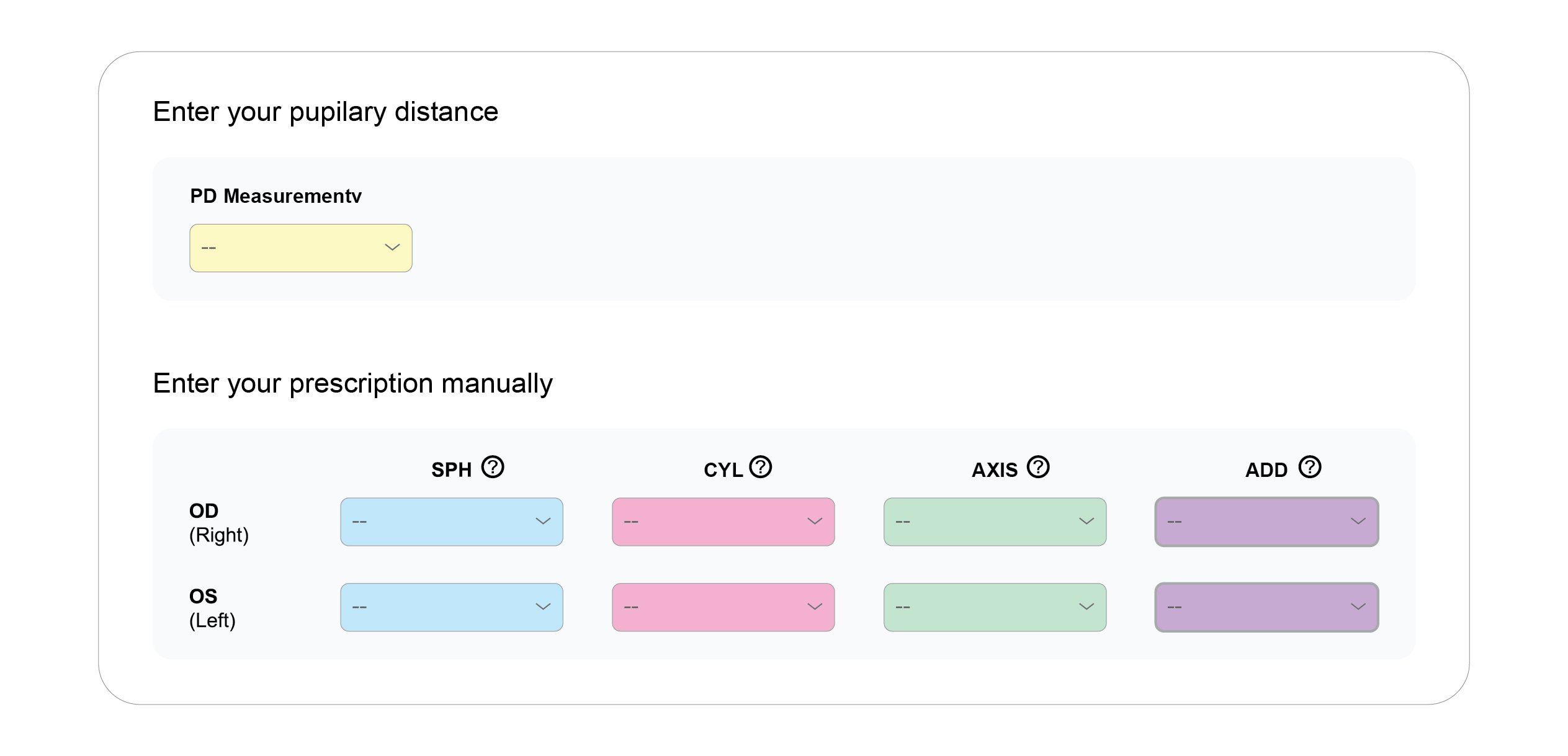
OD is an abbreviation for the Latin term oculus dexter which means right eye. Notice that the right eye information is asked for first even though we typically read from left to right.
OS is an abbreviation of the Latin oculus sinister which means left eye. That will be referenced on the far right column of the prescription.
SPH is short for sphere. The sphere of your prescription indicates the power on the lenses that is needed to see clearly. A plus (+) symbol indicates the eyeglass wearer is farsighted. A minus (-) symbol indicates that the eyeglass wearer is nearsighted.
CYL is short for cylinder. The cylinder indicates the lens power necessary to correct astigmatism. If the column has no value (is blank), it indicates that the eyeglass wearer does not have astigmatism. If this is the case on your prescription, you can leave it blank when entering it in.
AXIS is a prescription will include an axis value for those with astigmatism. This number represents the angle of the lens that shouldn't feature a cylinder power to help correct your astigmatism.
ADD is short for "additional correction." This is where details about bifocals, multifocal lenses or progressive lenses would appear.
In recent years, relationships and romantic storylines have become increasingly diverse and inclusive. The rise of LGBTQ+ literature and media has provided a platform for underrepresented voices, showcasing a wide range of experiences and relationships. Contemporary works like The Time Traveler's Wife by Audrey Niffenegger and Me Before You by Jojo Moyes have explored complex themes like love, loss, and identity.
In recent years, there has been a growing emphasis on diverse perspectives and representation in relationships and romantic storylines. Works like The Song of Achilles by Madeline Miller and Annie on My Mind by Nancy Garden have explored same-sex relationships, while authors like Chimamanda Ngozi Adichie and Celeste Ng have shed light on the complexities of relationships within diverse cultural contexts. wwwsex2050c0m free
Relationships and romantic storylines have been an integral part of human experience, captivating audiences through various forms of media, from literature to film and television. The portrayal of romance and relationships has undergone significant transformations over the years, reflecting changing societal values, cultural norms, and individual perspectives. In recent years, relationships and romantic storylines have
In conclusion, relationships and romantic storylines have undergone significant transformations over the years, reflecting the complexities and diversity of human experience. As we move forward, it's essential to prioritize nuanced and realistic portrayals of love, relationships, and identity, ensuring that the stories we tell resonate with audiences and reflect the world we live in. In recent years, there has been a growing
Despite the evolution of relationships and romantic storylines, certain tropes and clichés continue to persist. The "happily ever after" ending, the "chosen one" narrative, and the "love at first sight" trope remain popular, yet often criticized for their predictability and lack of realism. However, these tropes also serve as a foundation for more innovative and subversive storytelling.
In the early days of literature, romantic storylines were often characterized by chivalry, honor, and social status. Classic tales like Jane Austen's Pride and Prejudice and the Brontë sisters' Wuthering Heights showcased love as a powerful force that could overcome social obstacles, yet often adhered to traditional gender roles and societal expectations.
*Discount applied on the current website price at the time of order. Offer only valid for new customer first contacts order over $10. Maximum discount of $100. Cannot be combined with any other offers. Promotions are subject to change without notice. We reserve the right to cancel orders that are in breach of the terms and conditions of this offer.



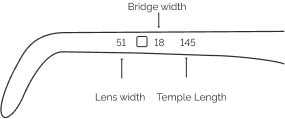
| Lens Width | Bridge Width | Temple Length | |
|---|---|---|---|
| XS | < 42 mm | < 16 mm | <=128 mm |
| S | 42 mm - 48 mm | 16 mm - 17 mm | 128 mm - 134 mm |
| M | 49 mm - 52 mm | 18 mm - 19 mm | 135 mm - 141 mm |
| L | >52 mm | >19 mm | >= 141 mm |
Buying eyewear should leave you happy and good-looking. Use our sizing tool to find frames that best fit your unique facial measurements.
Grab a regular card with a magnetic stripe on the back. Student IDs, credit cards and gift cards work well to start our online PD tool.
You may have received our paper PD measurement tool in your recent online order. In order to use this tool, place the ruler on your eyes so that the "0" lines up at the centre in between your eyes. Add up the two numbers, to get your PD. See example below:
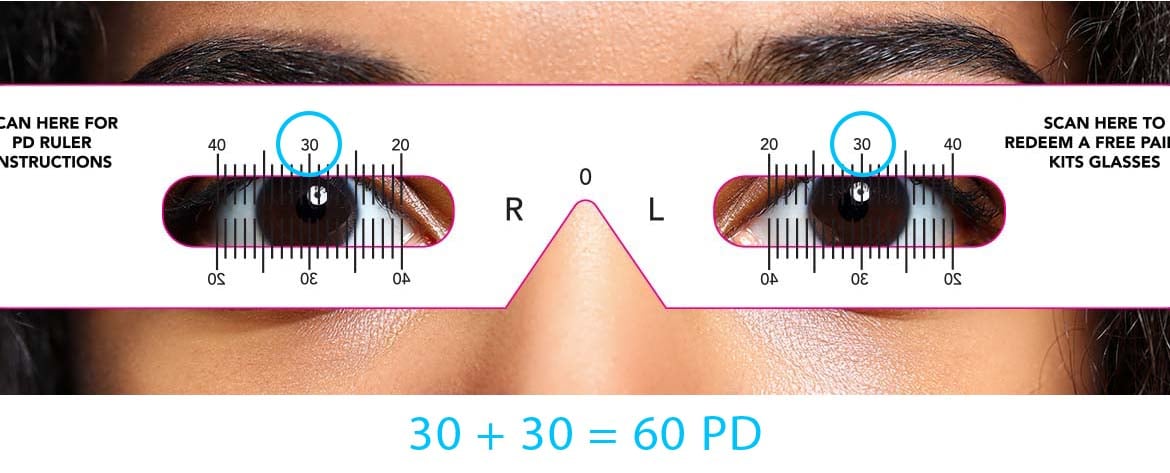
Click on this link to download and print your own PD measurement tool.
DOWNLOAD



 Check order status
 Place reorder
 Chat with us





 Use your insurance
 Help
Help